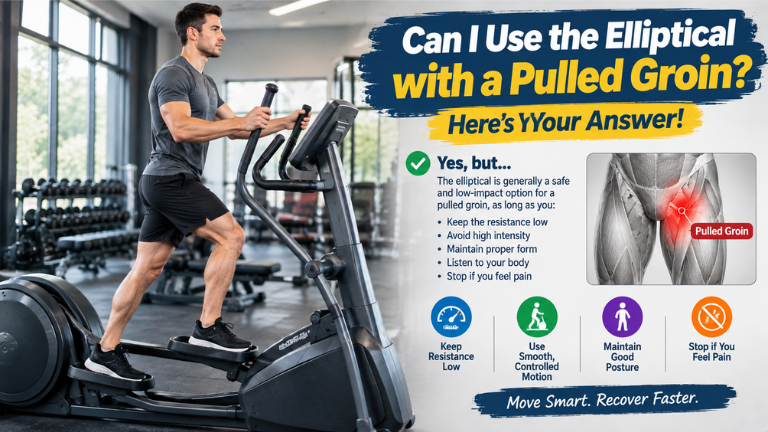
In the realm of fitness, a pulled groin – a strain in the muscles that run along the inner thigh that can be both an unwelcome setback and a reminder of the importance of balanced exercise. Whether you’re a seasoned athlete or a fitness enthusiast, the journey to recovery and maintaining your fitness level can be a delicate balance. As you navigate the path towards healing, you might find yourself wondering: Can I use the elliptical with a pulled groin? This query delves into the interplay between injury and exercise, as well as the nuanced considerations that come into play.
In this article, we’ll explore the dynamics of pulled groins, the significance of staying active, and uncover whether the elliptical can be a friend or foe during the recovery process.
A pulled groin, scientifically referred to as an adductor strain, is a vexing injury that often creeps into the lives of active individuals, interrupting their physical pursuits. This injury targets the adductor muscles nestled within the inner thigh region, which play a crucial role in stabilizing the pelvis and facilitating leg movement.
Defining the Strain: A pulled groin, at its core, is the result of overstretching or tearing the adductor muscles due to sudden movements or excessive force. This strain typically manifests as pain or discomfort in the groin area.
Unmasking the Culprits: Common causes include sudden directional changes, inadequate warm-up, or attempting movements that exceed your current fitness level. Sporting activities that involve rapid accelerations, decelerations, and lateral movements pose particular risks.
Symptoms and Severity: The symptoms can range from mild discomfort to intense pain, often accompanied by swelling and bruising. The severity of the strain can be categorized into three levels – mild, moderate, and severe, each demanding distinct approaches to recovery.
The urgency of Recovery: Proper recovery is paramount to prevent the strain from worsening or becoming a chronic issue. Rushing back into activity prematurely may lead to re-injury or prolonged healing times. Patience and dedication to rehabilitation protocols are key to ensuring a full recovery.
In the following sections, we’ll explore the feasibility of incorporating the elliptical machine into your recovery journey while considering these nuances.
Benefits of the Elliptical Machine: A Gentle Path to Fitness
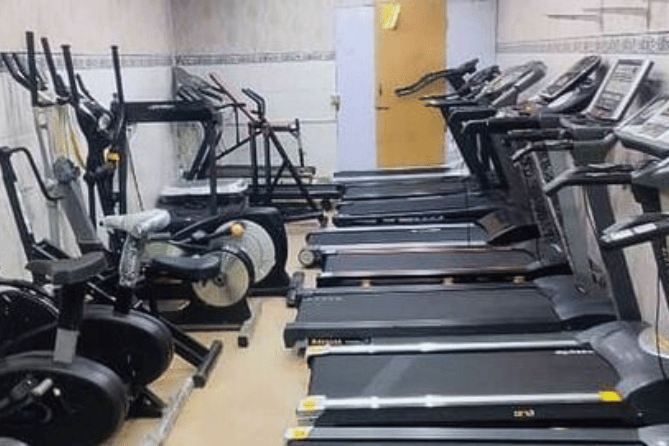
In the realm of fitness equipment, the elliptical machine shines as a versatile and accessible option, particularly when navigating the delicate landscape of recovery from a pulled groin. This ingenious apparatus combines the motions of stair climbing, walking, and running, all while minimizing impact on joints.
Mechanics and Operation: An elliptical machine, aptly named for its elliptical pedal path, operates by simulating the motions of walking or running. Unlike treadmills or outdoor running, your feet never leave the pedals, ensuring a continuous and fluid movement that reduces strain on the lower body.
Gentle on the Joints: One of its most compelling features is its low-impact nature. Elliptical workouts offer a smooth gliding motion that spares the joints, making it an attractive option for those nursing injuries like a pulled groin. This low-impact quality minimizes stress on the affected muscles, fostering a supportive environment for rehabilitation.
Cardiovascular and Muscle Benefits: Beyond injury considerations, the elliptical machine offers a dual benefit. Firstly, it provides a cardiovascular workout that elevates heart rate, improving cardiovascular health. Secondly, it engages various lower body muscles – hamstrings, quadriceps, calves – strengthening and toning them while facilitating a range of motion.
Tailored for Recovery: What makes the elliptical particularly intriguing during recovery is its adaptability. You can customize resistance levels and stride lengths, tailoring the intensity of the workout to match your current fitness level and comfort. This adaptability lends itself to gradual progression and controlled exertion, aligning perfectly with the principles of safe recovery.
As we continue to explore the potential of integrating the elliptical into your healing journey, it’s important to consider the finer nuances that dictate whether this machine aligns with your specific circumstances.
Exercising with Pulled Groin: Navigating Carefully Towards Recovery
Amidst the desire to regain fitness, the cautious dance of exercising with a pulled groin demands thoughtful consideration. Engaging in physical activity while injured requires a delicate balance between progress and protection.
Guidelines for Injured Exercisers: Whether it’s a pulled groin or any other injury, adhering to general guidelines is crucial. Avoid activities that exacerbate pain or discomfort and prioritize gentle movements without straining the affected area. Always remember, rest is just as essential as activity in the healing process.
The Expert’s Opinion: When grappling with an injury, consulting a medical professional should be your first step. The expertise of a doctor, physiotherapist, or sports medicine specialist is invaluable. They can provide tailored advice based on your injury’s severity, your overall health, and your fitness goals.
Elliptical Considerations: When contemplating the use of an elliptical machine, two pivotal factors come into play.
- Gauge your pain threshold and tolerance. If you experience pain while using the elliptical, it might indicate that the motion aggravates your pulled groin. Discomfort may signify it’s not the right time for elliptical workouts.
- Seek counsel from your healthcare provider before hopping onto the elliptical. They can offer insights on when and how to incorporate this exercise, considering your specific condition.
Potential Risks: While the elliptical’s low-impact design is advantageous, there are potential risks. Overzealous or improper use can strain the injured area, leading to setbacks. Additionally, if you push too hard, you might unknowingly alter your form to compensate, potentially triggering muscle imbalances.
The elliptical, when used thoughtfully, can be a valuable tool in your recovery process, promoting mobility and aiding in the gradual journey back to full fitness.
Using the Elliptical Safely with a Pulled Groin
Incorporating the elliptical machine into your recovery regimen after a pulled groin can be a wise choice, provided it’s approached with meticulous care. Safeguarding your healing muscles demands a combination of strategy, technique, and attentive self-awareness.
Gradual Progression: Begin with baby steps. Gradually ramp up the intensity and duration of your elliptical sessions. This progressive approach allows your body to adapt without subjecting your pulled groin to undue stress. Starting with a low intensity not only aids in recovery but also prevents potential setbacks.
Effective Warm-up and Stretching: A thorough warm-up is vital. Engage in light cardiovascular activity to increase blood flow, followed by targeted stretches that gently address your groin area. These maneuvers prepare your muscles and decrease the risk of strain during elliptical use.
Mindful Movements: While on the elliptical, prioritize controlled movements. Focus on smooth, fluid motions that engage your lower body without causing strain. Avoid sudden jerks or movements that might trigger discomfort. Keeping a neutral posture helps distribute stress evenly across muscles and joints.
Listening to Your Body: Your body is your guide. Pay keen attention to any signs of discomfort, pain, or unusual sensations. If your pulled groin protests during your elliptical workout, it’s a clear signal to stop. Overriding these signals could worsen the injury and prolong recovery.
Remember, using the elliptical machine as part of your healing journey requires respect for your body’s limitations and a commitment to its well-being. By adhering to these safety measures, you can harness the elliptical’s benefits to support your pulled groin’s rehabilitation, inching closer to a full recovery while minimizing risks.
Alternative Exercises During Recovery
While the elliptical can be a valuable tool during recovery, a pulled groin demands careful consideration of alternative exercises that won’t exacerbate the injury. Diversifying your routine with these alternatives can aid healing and maintain overall fitness.
Swimming and Water Aerobics: Immersing yourself in water provides a low-impact environment that supports your body while you engage in cardiovascular workouts. Swimming and water aerobics minimize strain on the groin, allowing you to maintain fitness without risking setbacks.
Yoga and Stretching: Incorporating gentle yoga and stretching routines can work wonders for flexibility and healing. These exercises improve blood circulation, promote relaxation, and prevent muscle stiffness – all of which are vital during recovery.
Holistic Fitness: Remember, an injury doesn’t mean the rest of your body needs to hibernate. Focus on maintaining overall fitness by incorporating exercises that target unaffected areas. Strengthening your upper body, core, and other muscle groups can help prevent imbalances and maintain a well-rounded fitness level.
By embracing these alternative exercises, you can facilitate healing, safeguard your pulled groin, and keep your entire body engaged and thriving.
Tips for a Speedy Recovery
Navigating a pulled groin towards recovery requires a multi-faceted approach that extends beyond exercise. These tips can expedite healing and restore your fitness sooner than you might think.
- Rest and Nourishment: Adequate rest allows your body to focus its energy on healing. Pair this with a balanced, nutrient-rich diet that provides the building blocks necessary for repair.
- R.I.C.E. Protocol: The time-tested R.I.C.E. (Rest, Ice, Compression, Elevation) method remains a cornerstone of injury recovery. Applying ice, using compression, and elevating the injured area minimize swelling and foster a healing environment.
- The benefit of Physical Therapy: Engaging a qualified physical therapist can prove transformative. They tailor exercises to your specific injury, enhancing recovery, and preventing future issues.
- Embrace Patience: Recovery is a marathon, not a sprint. Avoid overexertion that could potentially worsen the injury. Stay patient, allowing your body the time it needs to mend.
By weaving these practices into your recovery journey, you can play an active role in nurturing your groin back to full strength.
As we conclude, the question remains: Can the elliptical be a companion on your path to groin recovery? Reflecting on the insights shared, it’s evident that this versatile tool holds potential benefits if approached cautiously. Prioritizing gradual progression, seeking professional guidance, and gauging your body’s signals is fundamental.
Remember, your health and safety are paramount. While the elliptical can offer support, personalized medical advice is crucial. The anecdotes, expert perspectives, and precautions woven throughout underscore the need for well-informed choices. As you strive to regain your fitness, consult your healthcare provider, keeping your well-being at the forefront of every stride toward recovery.